
Supporting Mental Health and Wellbeing
Welcome to our page dedicated to understanding and supporting children and young people's mental health and wellbeing.
At Hadfield Infant School, we believe it is essential to teach children not only how their brain works, through our myHappymind programme, but also how to recognise their emotions, regulate themselves and develop positive strategies to look after their own mental health.
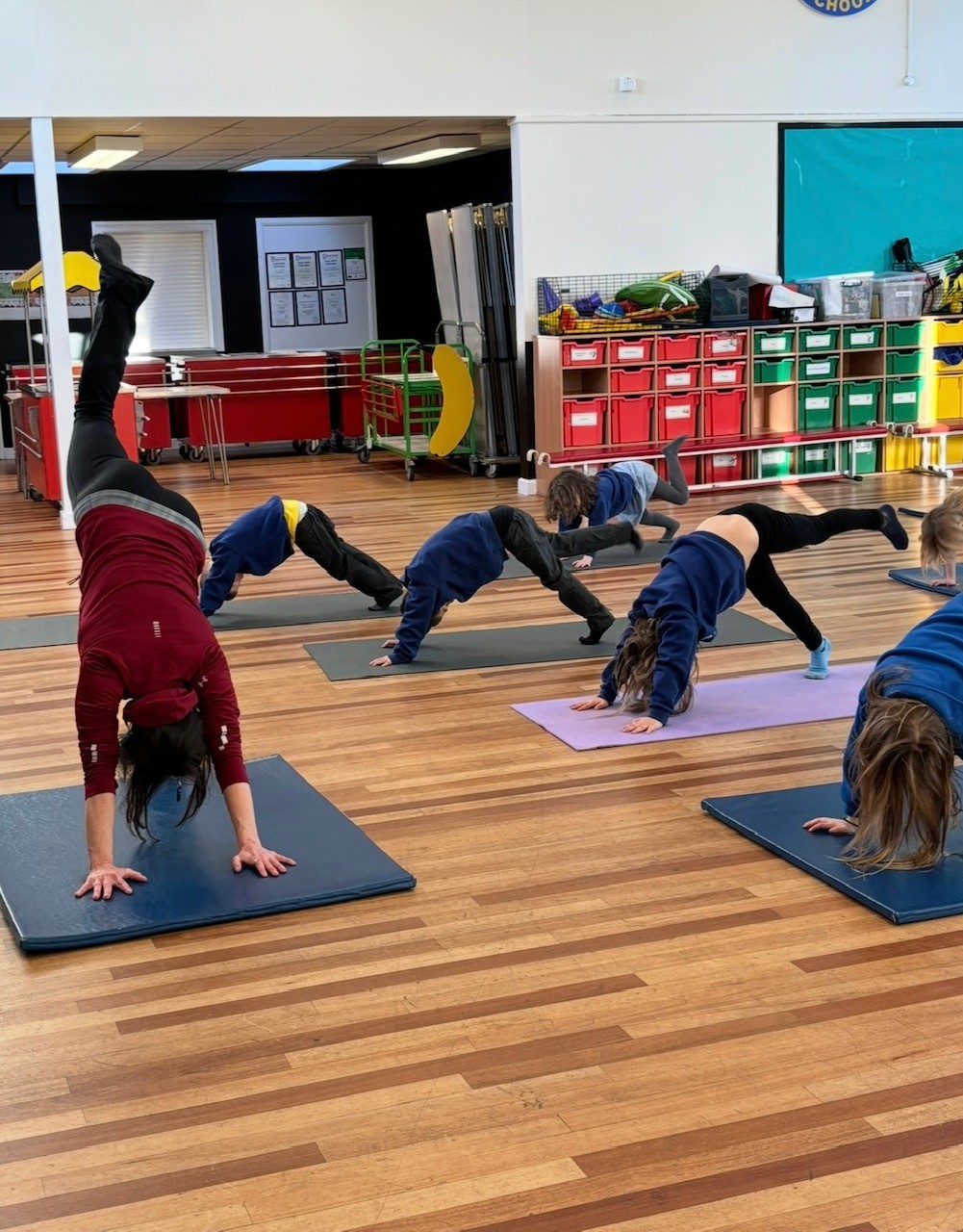
Every classroom has a dedicated calm corner, providing children with a range of strategies and resources to support emotional regulation when they need it. Mental health and wellbeing are also woven throughout our curriculum and daily school life through myHappymind, peer massage, mindfulness breaks, breathing techniques, use of the 5 point scale and opportunities to pause, reflect and reset.
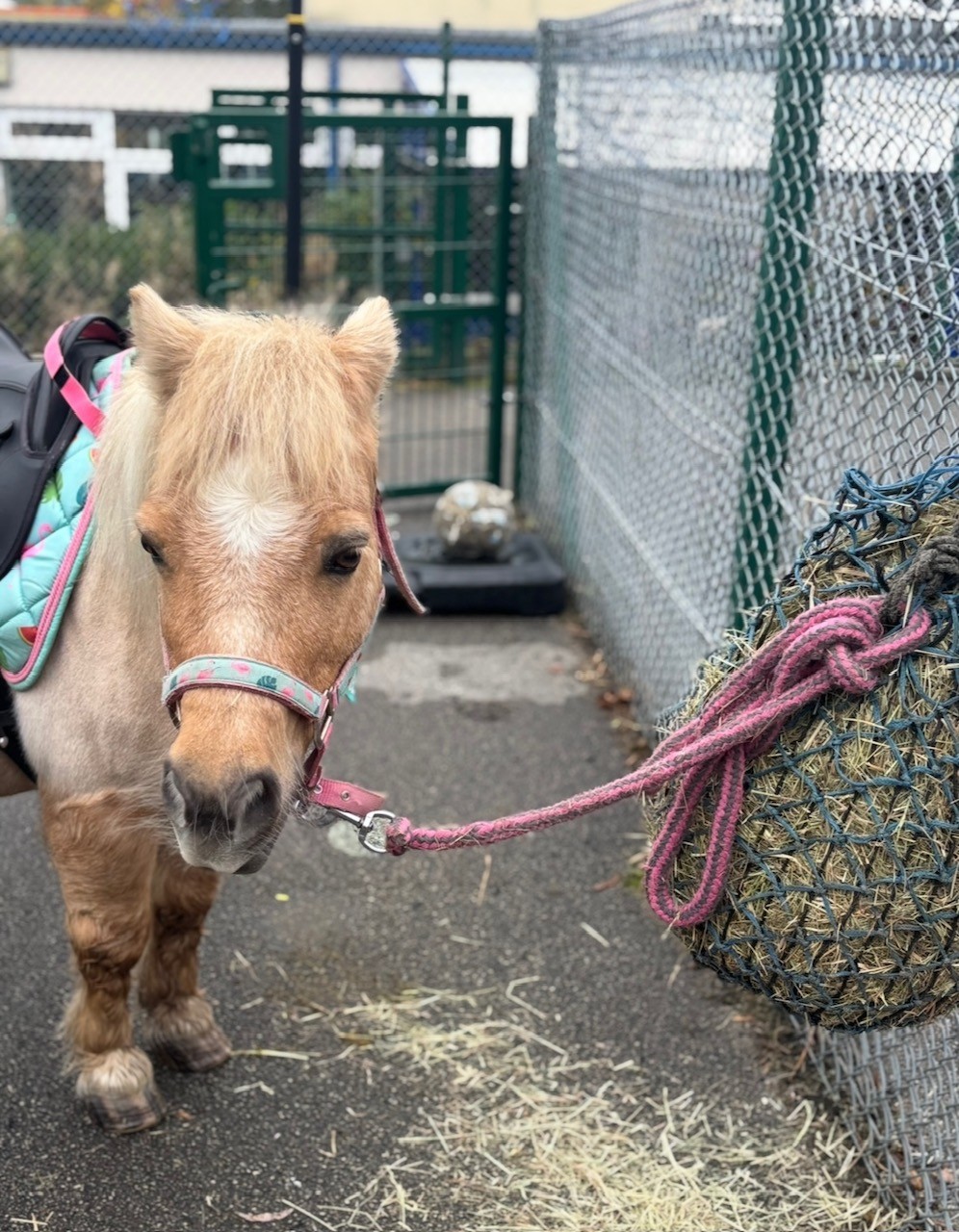
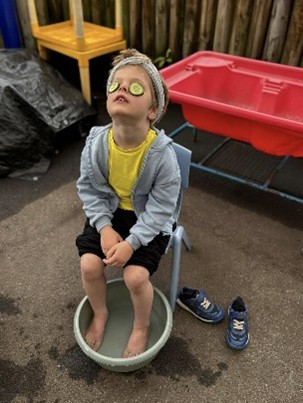
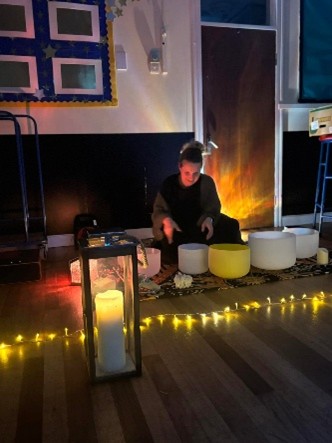
We also fully embrace World Mental Health Day, using it as an opportunity to celebrate wellbeing and introduce children to a wide range of positive strategies they can use throughout their lives. Our day includes experiences such as animal therapy, sound baths, music, mindfulness, spa experiences, massage and breathing activities.
Our aim is to create a school where talking about mental health is normal, children feel confident expressing how they feel, and every child has a toolkit of strategies to help them feel calm, happy, safe and ready to learn.
Please find links below to local support services available in Derbyshire
Neurohubs (Derbyshire Wide)
Neurohubs offer:
- Parent/carer drop ins
- Support with behaviour, routines, sleep and sensory needs
- Workshops for ADHD, Autism and emotional regulation
- Help before and after diagnosis
Practical Support at home (EYFS & KS1)
Supporting ADHD
- Short, clear instructions
- Visual timetables
- Break tasks into small steps
- Movement breaks
- Timers to support focus
Supporting Autism
- Predictable routines
- Visual schedules
- Sensory tools (e.g. headphones, fidgets)
- Countdown warnings for transitions
- Social stories for change of anxiety
Support Anxiety & EBSA (Emotional based school avoidance)
- Calm, predictable morning routines
- Gradual steps back into school
- Validate feelings
- Use grounding and breathing strategies
- Seek early support if attendance becomes difficult
Supporting Emotional Regulation
- Create a calm space at home
- Use emotional visuals
- Model calm responses
- Offer sensory or movement breaks
- Teach simple 'I need...' scripts